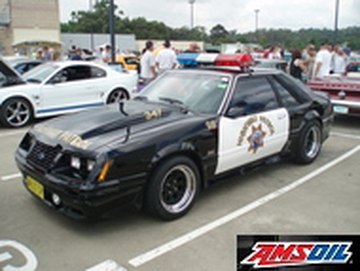
Engine Oil Maintenance for your 1983 Ford Mustang 3.8L
Maintaining proper lubrication is one of the most critical aspects of preserving the longevity and operational integrity of an internal combustion engine. For owners of a 1983 Ford Mustang equipped with the 3.8L engine, understanding the correct components for oil changes helps ensure the vehicle remains in good working order.
What oil filter is listed for my 1983 Ford MUSTANG 3.8L?
The following oil filters are listed for this vehicle: EAO15-EA (AMSOIL Ea Oil Filters) and 51515-EA (WIX Oil Filter).
Understanding the Role of the Oil Filter
The oil filter serves as a primary defense mechanism within the engine's lubrication system. As engine oil circulates through the block to lubricate moving parts, it inevitably picks up microscopic debris, metal shavings, and combustion byproducts. The filter is designed to capture these contaminants before they can recirculate through the engine.
A restricted or clogged filter can lead to decreased oil pressure or, in some designs, a bypass mechanism that allows unfiltered oil to enter the engine to prevent total starvation. Regularly replacing the filter during every oil service ensures that the filtration media remains effective at removing particulates.
Engine Oil Viscosity Considerations
The viscosity of an engine oil refers to its resistance to flow. Choosing an appropriate viscosity is essential for ensuring that oil reaches critical engine components quickly during a cold start and maintains a consistent film strength as the engine reaches operating temperature. For this specific 1983 Ford Mustang 3.8L application, the database allows for 5W-30.
Using an oil with the correct viscosity helps maintain the hydraulic pressure required to operate various engine components and ensures that the lubrication film remains intact under different thermal conditions. Always consult your owner's manual or manufacturer documentation to confirm the recommended specifications for your specific engine configuration.
Monitoring Oil Levels and Condition
Routine inspections of the oil level are a fundamental part of vehicle ownership. Checking the dipstick regularly allows you to identify potential issues such as excessive consumption or leaks before they escalate into mechanical failures. It is best practice to check the oil level when the engine is cool and the vehicle is parked on a level surface.
Beyond just the quantity, observing the color and texture of the oil can provide clues about engine health. While oil naturally darkens over time due to heat and contamination, an appearance that is milky or contains visible debris may indicate more serious internal issues that require professional inspection. If you notice a significant change in the oil's consistency, it is advisable to follow the manufacturer maintenance schedule for service.
Managing Oil Change Intervals
The frequency of oil and filter changes is vital for preventing the buildup of sludge and acid within the crankcase. While many modern vehicles utilize sophisticated oil-life monitoring systems, older vehicles typically rely on fixed intervals based on mileage or time elapsed.
Because different driving environments can impact how quickly oil degrades, you should refer to your owner's manual for the specific service intervals recommended by Ford for your 1983 Mustang. Following these manufacturer-specified schedules ensures that the lubrication system is refreshed before the oil loses its ability to protect engine components effectively.
Identifying Potential Oil Leaks
Oil leaks can stem from various points, including gaskets, seals, or the oil filter itself. Common areas for potential seepage include the valve cover gaskets, the oil pan gasket, and the crankshaft seals. A slow leak might only be visible as staining on the engine block or as spots on your driveway, while a more significant leak may result in a noticeable drop in oil level on the dipstick.
When performing an oil change, it is helpful to inspect the area around the new oil filter to ensure it has been seated correctly and tightened to the proper specification. If you detect the smell of burning oil or see smoke from the engine bay, this may indicate that oil is leaking onto hot engine components, which requires immediate attention.
BUYING ENGINE OIL
When you are ready to purchase supplies for your next service, focus on selecting products that meet the requirements for your vehicle. When buying engine oil, ensure you are selecting a product that aligns with the viscosity requirements noted for your 3.8L engine. It is also important to select an oil filter from the list of options provided for your specific application to ensure proper fitment during installation.